20,000 Attendees. 20,000 Content Creators.
Your audience is creating your most valuable content, for free
Every year, thousands of festivals pour budgets into professional photographers, video crews, and branded content teams. The goal? Capture the magic. Tell the story. Create content that sells next year’s tickets.
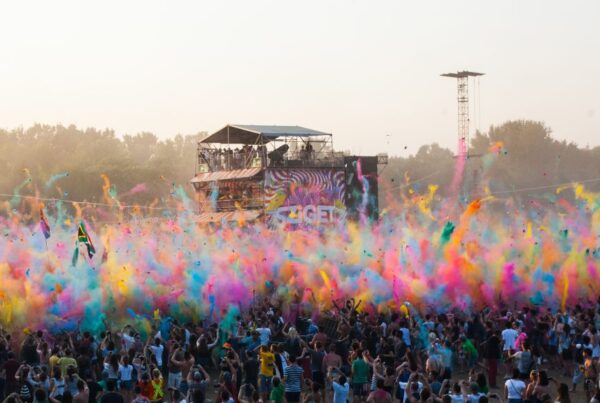
And yet, the most powerful content from your event is already being created, for free, by the 20,000 people standing in your crowd.
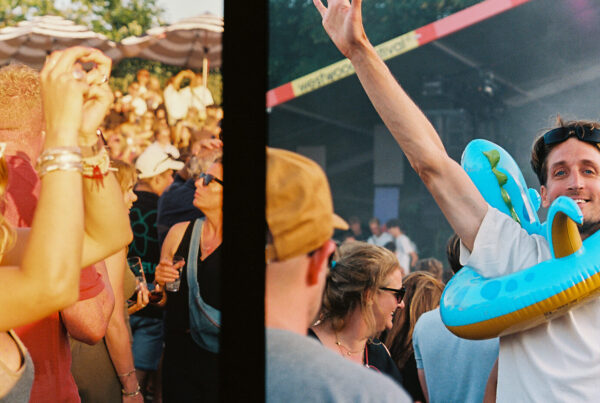
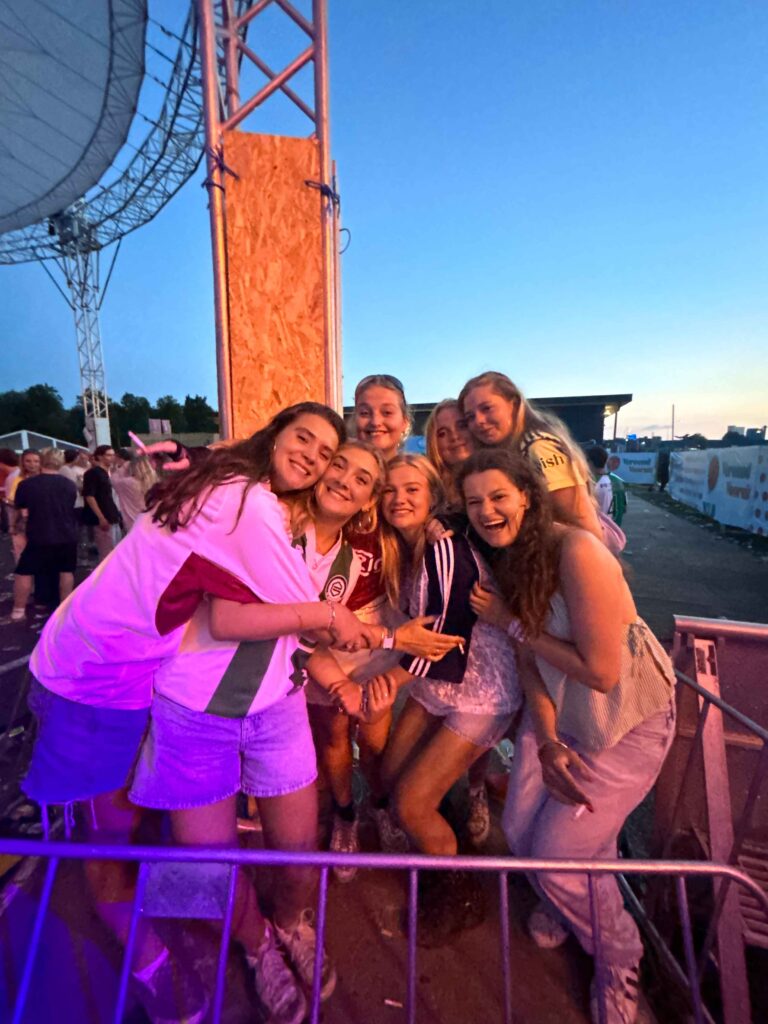
It’s in the shaky, electric videos of a headline act. The candid group shots taken at the entrance arch. The sunrise timelapse from the camping field. The spontaneous moment that no professional crew was positioned to catch.
This is UGC (user-generated content). And for most festivals and events, it’s disappearing into private camera rolls and forgotten Instagram stories at a staggering scale.
The global UGC platform market is projected to grow from $9.85 billion in 2025 to $43.92 billion by 2031, a 28.32% compound annual growth rate. The industry has already voted. UGC isn’t a trend. It’s the future of content marketing. The question is: are you capturing your share of it?
Shot by the crowd
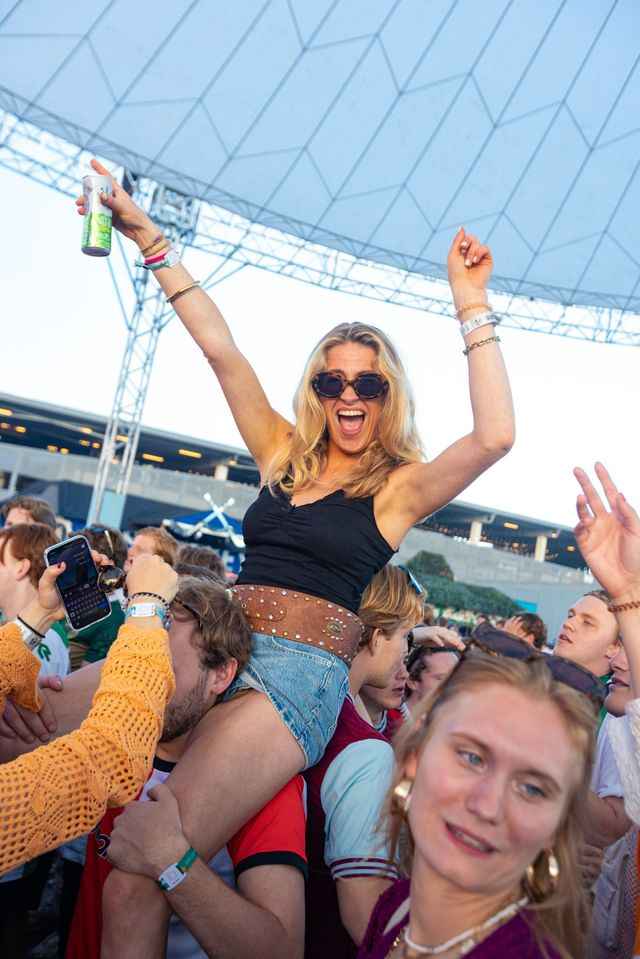

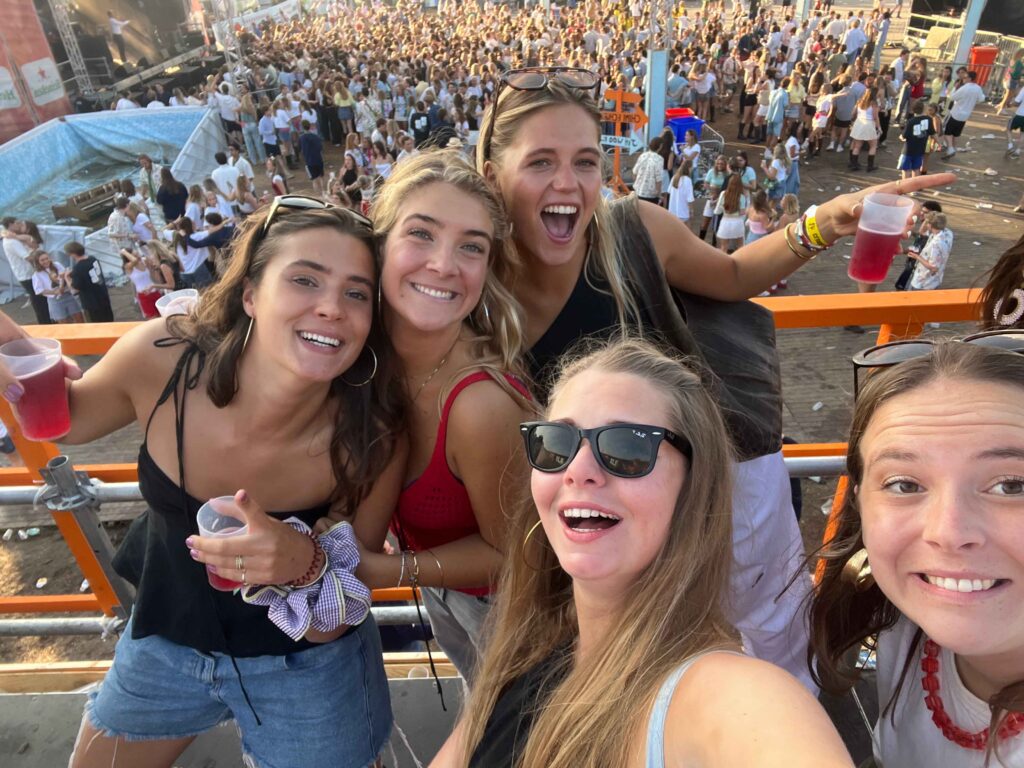
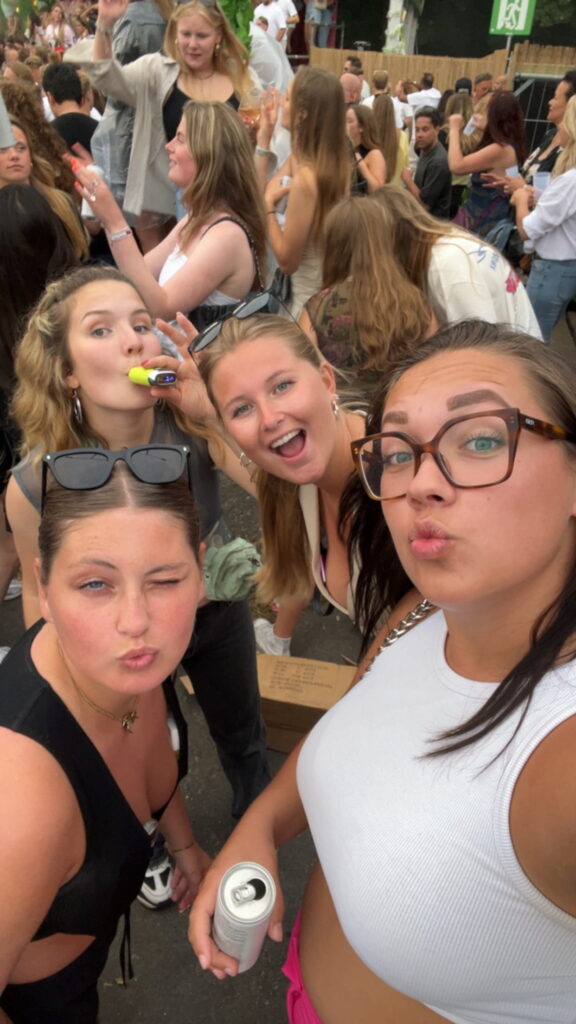
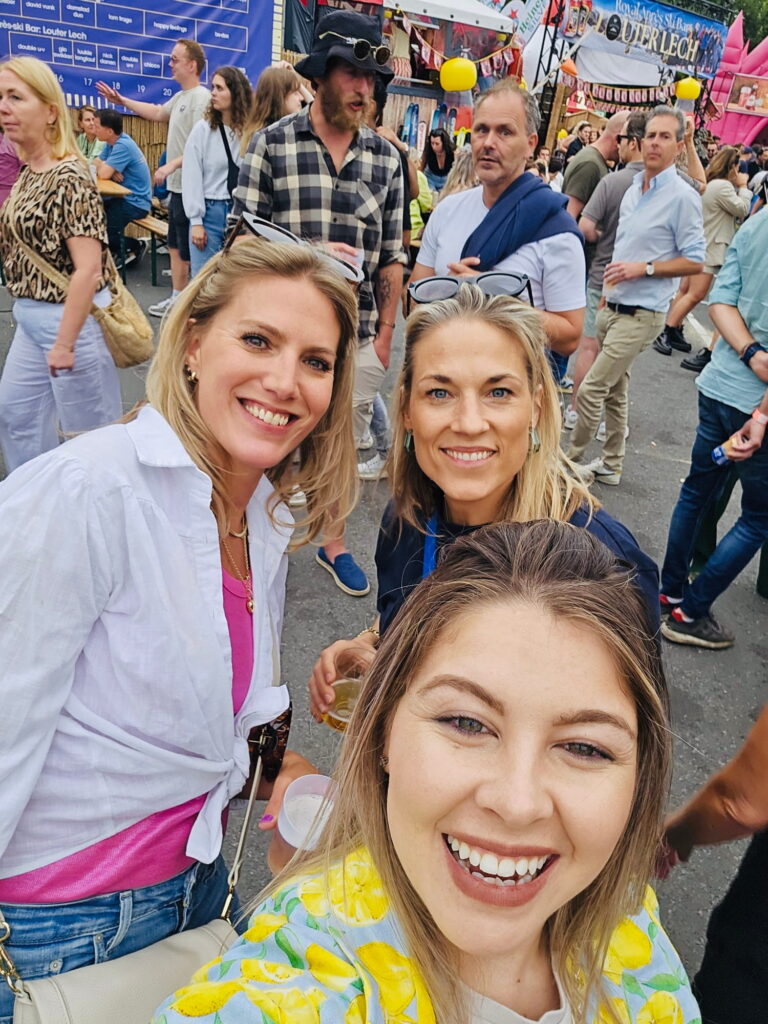
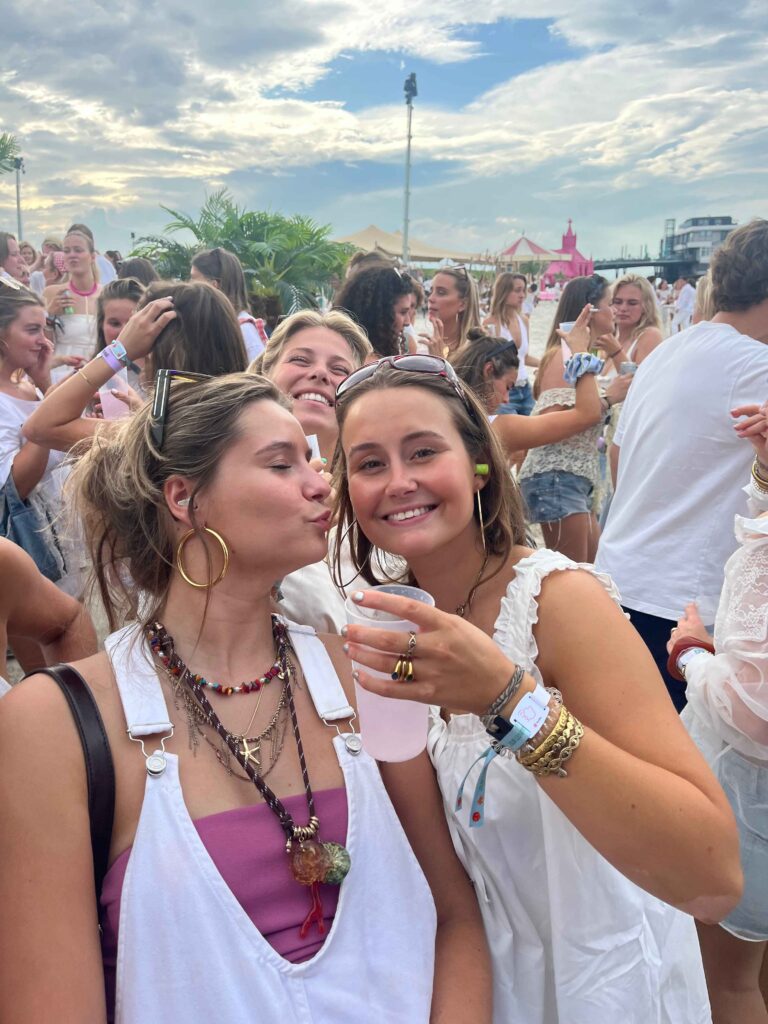
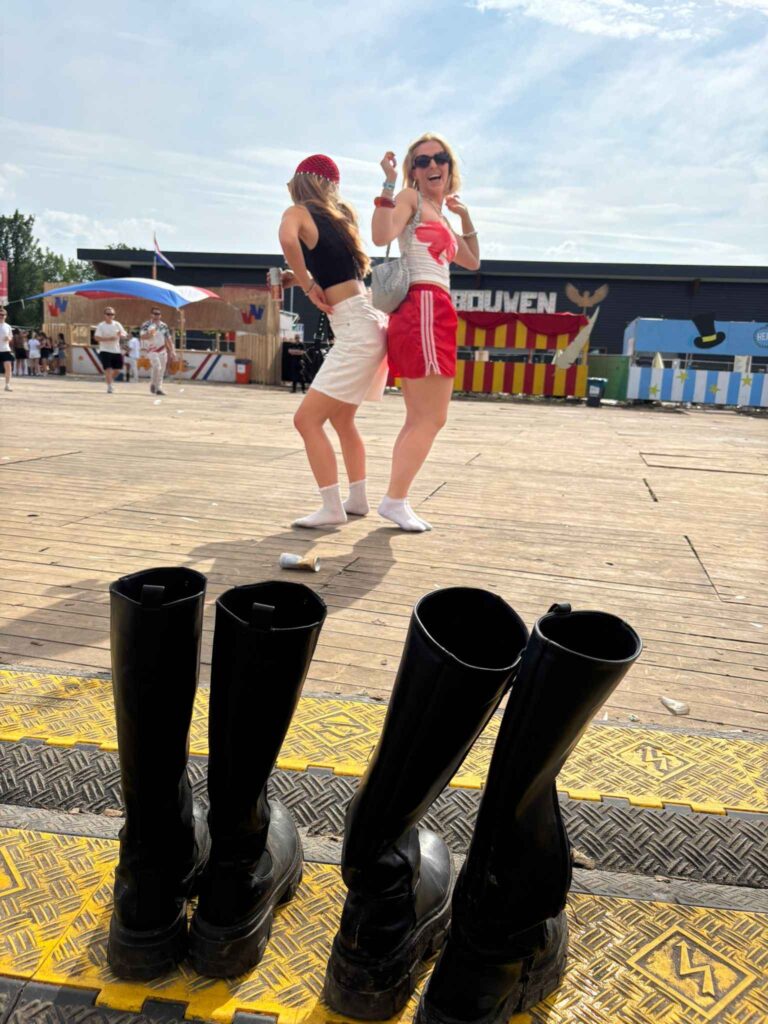
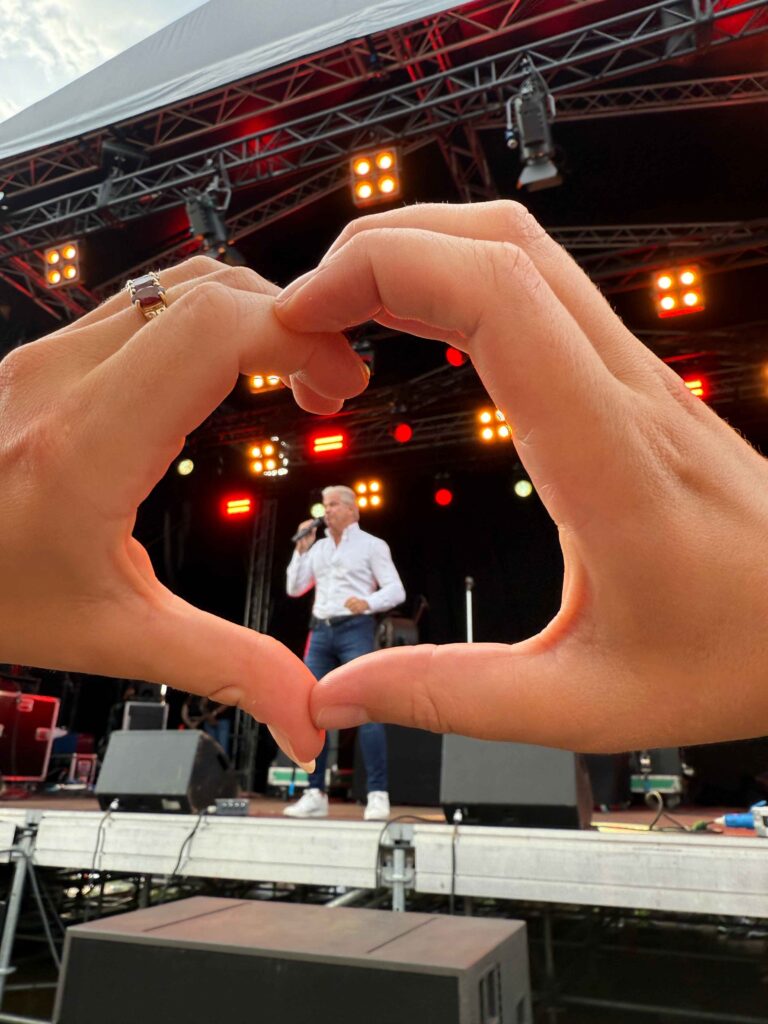
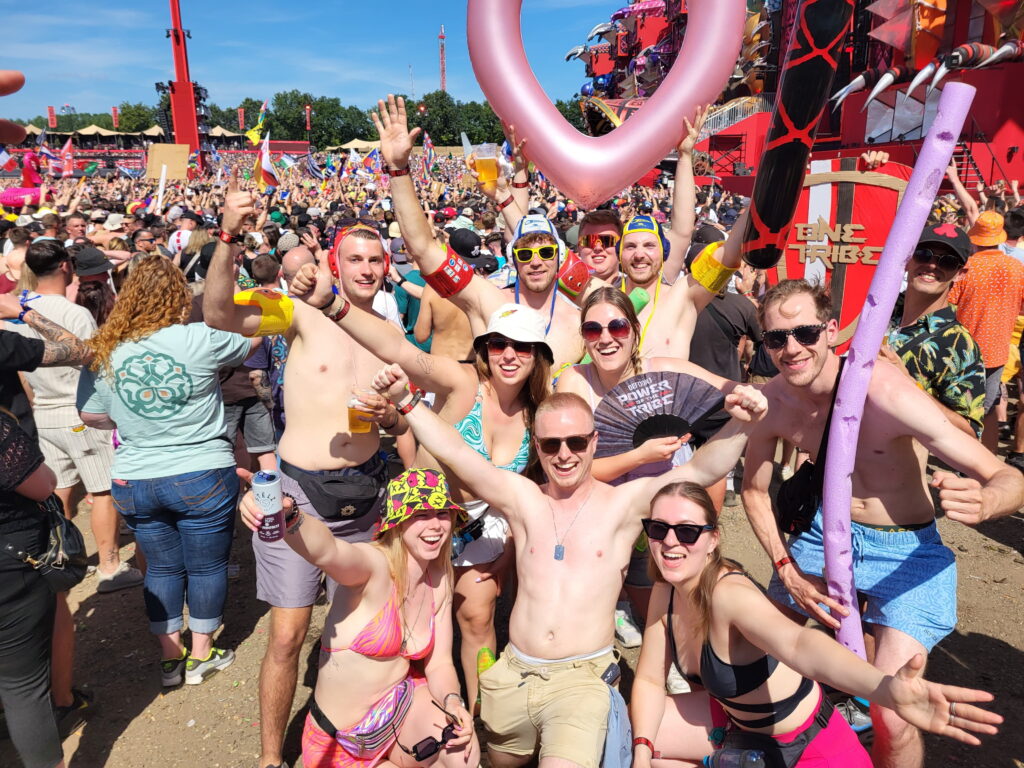
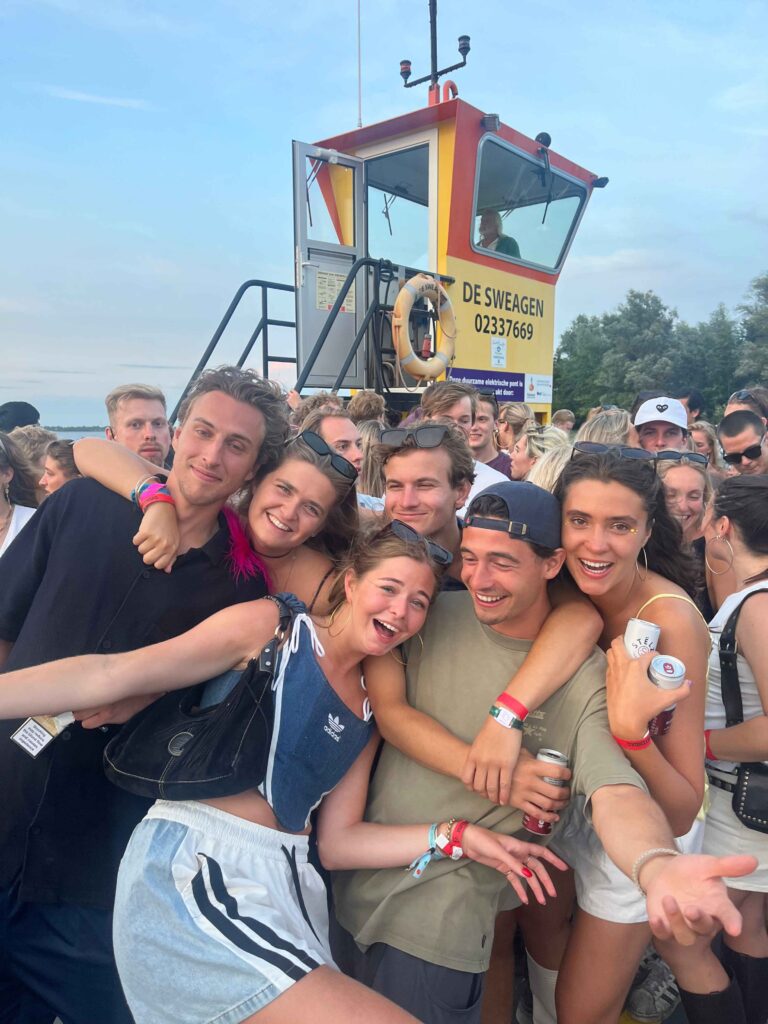
The opportunity: a content goldmine waiting to be captured
Let’s put some numbers behind this.
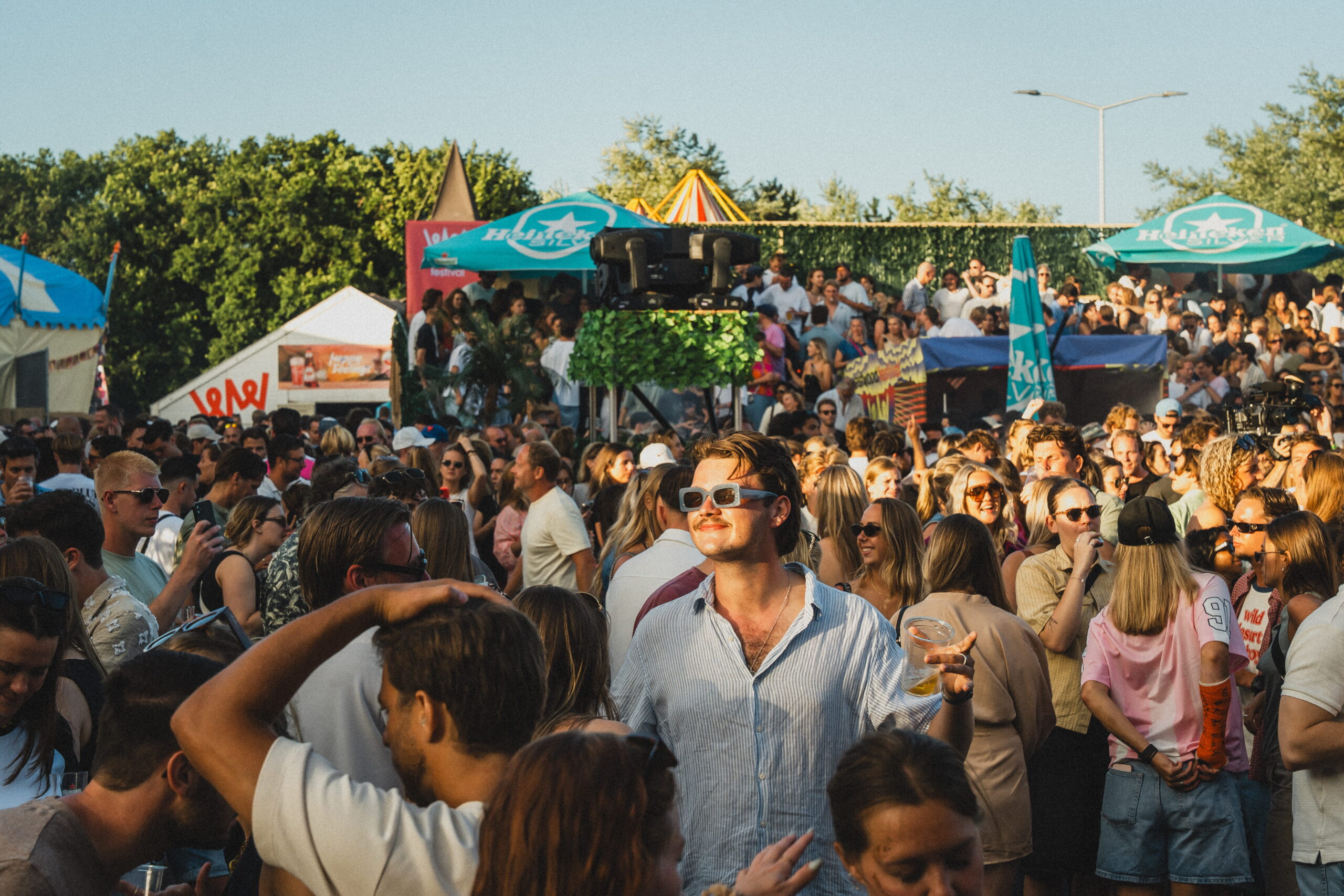
A mid-sized festival with 20,000 attendees, even if only 10% of them creates and shares one piece of content, generates over 2,000 pieces of organic content across a single weekend. Multiply that across social platforms, Stories, Reels, and TikToks, and you’re looking at a volume of authentic, on-the-ground content that no production budget could ever replicate.
But here’s what actually happens to most of it:
- It gets posted once, peaks for 24–48 hours, and disappears
- It sits untagged, unlicensed, and completely inaccessible to your marketing team
- Your team manually monitors mentions, missing an estimated 30% of all tagged content in the process
- The content that does get found takes days to track down, rights-clear, and organize
Meanwhile, 93% of marketers agree that content created by consumers performs better than branded content. And consumers spend an average of 5.4 hours a day consuming UGC. The audience is there. The content is being made. The infrastructure to capture it, for most festivals, simply isn’t.
The challenge: why festival UGC is especially hard to capture
UGC management is a challenge for any brand. For festivals and live events, the problem is amplified.
Volume is extreme and concentrated. Unlike a brand that receives a steady stream of mentions week-round, festivals generate the majority of their UGC content in a 48–72 hour window. The spike is massive, the window is short, and the aftermath is chaos.
Your team is already stretched. During the event itself, your marketing team is managing activations, coordinating with artists, handling press, and putting out fires. Manually tracking UGC in real-time isn’t realistic, yet that’s exactly when the best content is being created.
Content is fragmented across tools and platforms. On one side, your audience is posting across Instagram, TikTok, X, Facebook, and YouTube Shorts simultaneously. On the other, your team is fielding content requests through WhatsApp groups, Instagram DMs, WeTransfer links, and shared Dropbox folders, none of which were built for scale. WeTransfer links expire. WhatsApp threads get buried. Dropbox folders become a graveyard of untagged, unsorted files that nobody has time to organize. These tools solve an immediate problem (“how do I get this file from A to B?”) but create a much bigger one: a scattered, unusable content library that costs your team hours every time someone needs to find anything.
Rights and permissions are unclear. Even when content is found, using it without proper licensing is a legal risk. Most festivals skip this step entirely, either by not using the content at all or by using it without permission.
The result? A festival wraps on Sunday night, and by Monday morning, thousands of pieces of your best content have already begun to fade, unsaved, untagged, unlicensed, and lost.
The cost of sticking to old methods
The instinct for many festival marketing managers is to keep doing what they’ve always done: rely on the professional content team, monitor hashtags manually, maybe reshare a few tagged posts here and there.
It’s familiar. It’s manageable. But there’s a smarter way to work.
The direct content cost. Brands leveraging UGC save up to 70% on content production costs while achieving superior engagement. If you’re spending €50,000 on professional content production and UGC could deliver better results at €15,000, that’s €35,000 left on the table annually. Not because UGC is cheap to produce (it’s free), but because the system to capture and use it costs a fraction of a traditional shoot.
The engagement cost. UGC posts generate 6.9x more engagement than branded content. Instagram posts featuring UGC see 70% more engagement than brand-only content. Every week you post a polished branded asset instead of authentic fan content, you’re leaving measurable engagement on the table.
The trust cost. 92% of consumers trust peer recommendations over brand messages. 84% trust brands more when they feature UGC. Your audience doesn’t just prefer authentic content, they trust it more. When your festival’s feed is dominated by professional shoots, you’re speaking in a language your audience has learned to tune out.
The conversion cost. Brands using UGC see 9% more web conversions, with product pages featuring user content converting 74% higher. For a festival, that’s ticket sales. Merchandise. Early bird registrations. The ROI of UGC isn’t abstract, it’s measurable.
And then there’s the content volume you’re missing entirely. Traditional manual monitoring misses approximately 30% of tagged content. Automated platforms capture 400% more UGC than manual workflows. That isn’t a marginal improvement, it’s a fundamentally different scale of operation.
What a better approach looks like
The good news: solving this problem doesn’t require reinventing your entire marketing operation. It requires building the right infrastructure around what your audience is already doing.
The most forward-thinking festivals and events are approaching UGC with a deliberate, three-part strategy:
- Collect intentionally, not reactively. Rather than waiting to find content after the fact, successful festivals create active pathways for collection during the event. This means QR codes at high-traffic moments (stage entrances, art installations, food villages), clear calls-to-action in artist communications and event apps, and integrated collection across every platform your audience uses, simultaneously.
The goal is to turn passive content creation into active content contribution, at scale, in real time.
- Store and organize from day one. Raw UGC is only as useful as your ability to find it. A video tagged #YourFestival2025 is worthless if it takes your team three hours to find, download, rights-clear, and categorize it.
Smart festivals are building centralized content libraries where UGC and professional content live side by side; searchable, tagged, and ready to deploy. AI-driven tagging means you can search for “sunset stage crowd” or “artist interaction” and surface relevant content in seconds, not hours.
- Make it usable, not just collected. Capturing UGC is only half the battle. The other half is turning it into deployable marketing assets. That means integrating your content library directly with the tools your creative team already uses, Adobe, Canva, DaVinci Resolve, so the path from raw fan footage to published campaign asset is as short as possible.
Picture a live UGC wall on the main stage screen, real fan content, updating in real time, right in front of 20,000 people. That same wall lives on your website post-event and drops into your next newsletter with one embed. The content your audience created becomes part of the experience itself. View our UGC wall at the bottom of our “About us” page.
When the infrastructure is right, UGC becomes a proactive, always-on content engine that runs before, during, and long after the event itself.
Where Social House comes in
This is exactly the problem Social House was built to solve.
Social House is a SAM (Smart Asset Manager) designed specifically for brands, festivals, and events. It brings together UGC collection, centralized storage, AI-powered organization, and direct creative integrations under one roof, so your team spends less time hunting for content and more time using it.
The platform is built around three core pillars: Collect (via QR codes, links, and app integrations), Store (with AI-driven tagging and filtering across UGC and pro content), and Create (with direct integrations into Adobe, DaVinci Resolve, and Canva).
If you’re ready to turn your audience into your most powerful content engine, we’d love to show you how.
The window is shorter than you think
UGC has a shelf life. The content your audience creates at this summer’s festival won’t wait around for you to build the right system. It peaks in 48 hours and fades within a week.
The festivals that will win the next decade of content marketing aren’t the ones with the biggest production budgets. They’re the ones who figured out how to turn 20,000 attendees into 20,000 content creators, and built the infrastructure to catch what they made.
The content is already being created. The only question is whether you’re capturing it.
Curious how Social House could work for your festival or event? Get in touch — we’d love to show you what’s possible.